


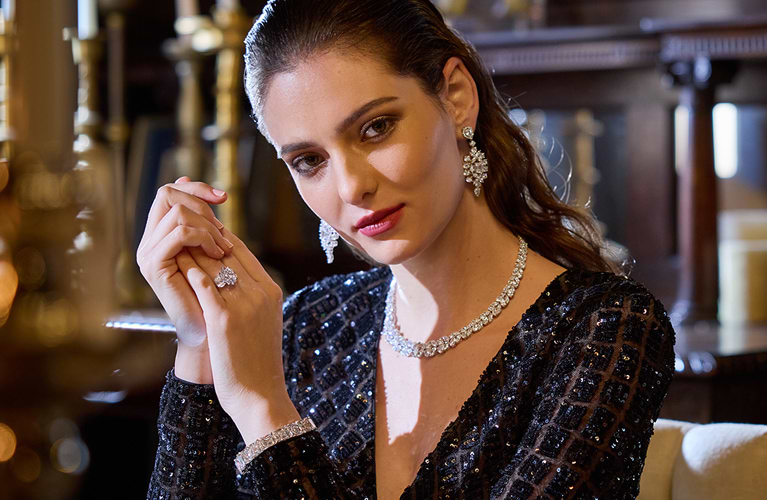
Choosing an engagement ring these days is about more than sparkle. Couples want design, meaning, and—more and more—values aligned with their priorities. Enter the hidden halo engagement ring lab diamonds: a style that marries subtlety and drama with a responsible choice in gemstones. This design gives the center stone a secret entourage that amplifies brilliance without shouting for attention, while lab-grown diamonds provide a transparent, often more affordable, and ethically minded alternative to mined stones.
What Is a Hidden Halo Ring?
At first glance, a hidden halo engagement ring might look like a conventional solitaire. But tilt the ring, or catch the light at the right angle, and you see a ring of small diamonds tucked beneath or around the underside of the center stone. Unlike a traditional halo that frames the diamond from the top, the hidden halo sits under the center or within the setting, visible only when light passes through the stone or when the ring is viewed from the side.
Designers use the hidden halo to add an unexpected flash: it enlarges perceived size, increases total carat weight, and gives the center stone greater fire without changing the face-up silhouette dramatically. For people who prefer clean lines but still want a little theatricality, it’s the perfect compromise.
Why Pair It with Lab-Grown Diamonds?
Lab diamonds—also called lab-grown, cultivated, or man-made diamonds—are chemically, physically, and optically identical to mined diamonds. Advances in technology mean these stones can be produced with exceptional quality, ranging from near-colorless to fancy colors. Pairing a hidden halo with lab diamonds makes both design sense and ethical sense.
Key Benefits of This Combination
- Value for money: Lab diamonds often cost less per carat than comparable mined diamonds. That budget flexibility lets you allocate more carat weight into the halo or choose a higher-grade center stone without pushing the total price as high.
- Sustainability and traceability: Many buyers prefer lab-grown stones because they avoid mining-related environmental impacts and complex supply chains. Producers frequently publish carbon footprint data and offer traceability that mined diamonds can lack.
- Design versatility: The consistency in quality and the availability of various sizes and colors make lab diamonds ideal for delicate pavé, micro-pavé, and tiny halo accents—perfect for hidden halo settings where dozens of small stones are often used.
(As you shop, keep in mind the exact phrase “hidden halo engagement ring, lab diamonds” appears here because this specific pairing is becoming a popular search term for couples seeking both style and ethics.)
Design Variations and What to Consider
Hidden halo settings come in many silhouettes—classic round, oval, emerald, cushion, pear, and more. The halo can circle the pavilion (the lower part of the center stone), nestle around the gallery, or sit just beneath the bezel.
Profile and Comfort
Because the halo sits beneath the center stone, some hidden halo rings have higher profiles. If you want a low-profile, daily-wear ring, ask the jeweler about setting height and whether a low-girdle or flush setting is possible.
Metal Choice
Platinum offers a bright, durable base that’s hypoallergenic; yellow gold adds warmth and a vintage touch; rose gold lends romantic blush tones. The metal’s color subtly changes how the halo sparkles—white metals emphasize brightness, while warm metals soften the overall look.
Halo Size and Stone Placement
Tiny melee diamonds in a hidden halo create a delicate glow. Larger accent stones increase sparkle but also add height and weight. Consider whether you prefer a whisper of brilliance or a more pronounced boost.
Setting Style
Micro-pavé and bead settings are common for hidden halos because they keep stones secure and low-profile. Channel-set halos can offer a sleeker look but may require a slightly wider band.
Selecting Lab-Grown Diamonds: The Four Cs Applied
Lab-grown diamonds are graded using the same Four Cs—cut, color, clarity, and carat—as mined diamonds. However, the way you prioritize those characteristics can differ when lab stones are part of an accent-heavy design like a hidden halo.
Cut
For the center stone, cut quality is king. A well-cut diamond—regardless of origin—maximizes brilliance and hides minor color or clarity issues.
Color
Tiny melee used in a halo are often not scrutinized up close, so you can comfortably choose a slightly lower color grade for small accents, especially if the ring’s metal is yellow or rose gold. For a white-metal setting, aim for melee that’s at least near-colorless.
Clarity
Small halo stones rarely require high clarity grades; VS or SI melee typically look clean to the naked eye and save money.
Carat
Lab diamonds allow you to stretch your budget so you can increase total carat weight or invest in a larger center stone without as much price pressure.
Tip: Always request certification from reputable labs like GIA or IGI for the center diamond (and, when possible, for significant melee groups). Certification confirms the diamond’s origin and attributes—especially useful when mixing stone sources or comparing lab-grown producers.
Practical Tips for Buyers
If you’re drawn to a hidden halo engagement ring, lab diamonds but aren’t sure where to start, keep these in mind:
- See it in person: Hidden halos are subtle. Photos sometimes miss the nuance, especially with sparkle that only appears from certain angles. Try on rings or request video walkthroughs to appreciate the effect.
- Compare metal and accent color: The metal tone changes perceived sparkle. Photos in different lighting can help you choose.
- Think about maintenance: Tiny halo melee can require occasional professional cleaning and inspection. Ask about warranties and free cleanings.
- Insurance and appraisal: Get an up-to-date appraisal reflecting lab-grown stones. Insurance providers increasingly recognize lab diamonds, but make sure your insurer understands the valuation for lab-grown gems.
- Customization options: Because lab diamonds are more cost-effective, consider customizing with colored diamonds, a colored halo, or a mix of diamond cuts for a distinctive look.
Styling and Symbolism
A hidden halo is inherently symbolic: the center stone is literally supported by a hidden ring of smaller stones. This can represent partnership, support, or the private strength behind a relationship—subtle symbolism that resonates with many couples.
Style-wise, the hidden halo works with minimalist wardrobes as well as vintage-inspired aesthetics. If you want more personal meaning, lab-grown technology can produce fancy-colored diamonds—yellows, blues, and pinks—that create unique halos or accent stones without the premium of natural fancy colors.
Common Misconceptions
- “Hidden means invisible.” Not true—hidden halos are more discreet than traditional halos, but they’re visible in motion or certain light. The surprise is part of the charm.
- “Lab diamonds are less real.” Lab-grown diamonds are real diamonds by every scientific standard. The primary differences are origin and often price.
- “Tiny stones aren’t durable.” Well-set melee in a hidden halo are secure, but like all delicate work, they benefit from regular checks and careful wear.
Conclusion
The hidden halo engagement ring paired with lab diamonds offers a delightful blend of elegance, surprise, and conscience. It preserves the clean silhouette that many people love while delivering an extra flash of light at moments you might least expect.
Lab-grown stones enhance that value by offering ethical traceability and better price per carat—enabling thoughtful design choices like larger halos, colored accents, or higher-quality center stones.
Whether you’re shopping with a partner or planning a surprise, a hidden halo ring is a smart choice for those who want both subtlety and sparkle. If your priorities include sustainability and design flexibility, searching for “hidden halo engagement ring, lab diamonds” is an excellent starting point for research—and a promising path toward a ring that feels both contemporary and timeless.